Top ERP System for Packaging Industry in 2026 | Canada
If you’re wondering what packaging manufacturers in Canada can do to meet the growing demand, stricter regulations, and ever-increasing pressure?
This article is for you.
As the packaging market is expected to reach $58.06 billion (USD) by 2033, Canadian producers are under increasing pressure to produce quicker, less expensive, and more responsible solutions to the needs of the environment. The processes of managing materials, scheduling production, monitoring inventory, and ensuring compliance have become very complicated, and all this is in line with the expectations of the customers.
However, manufacturers need not worry after ERP for packaging, as it helps in integrating all the functions of the business, including production, inventory, supply chain, finance, and customer management, into a single system.
For more information about ERP in packaging, let’s dive into the blog and learn the best way to select the right system.
First, let’s understand what ERP for the packaging industry is.
What is ERP for packaging?
Packaging ERP is software designed to address the packaging manufacturers' needs. It includes the variety of materials (paper, plastic, and film, as well as adhesives), the variety of finishing processes, the differing nature of customer orders, regulatory requirements, and the volatility of the supply chain, etc.
Packaging ERP software helps packaging manufacturers to organize production, schedule raw-material availability (such as film rolls, inks, sheets, adhesives, etc.), monitor work-in-progress (WIP), deal with quality and compliance, and organize warehousing and shipping.
Moreover, it allows integrating manufacturing processes (shop floor, production scheduling) with supply chain (procurement, vendor management), warehousing (inventory, stock visibility), and finance (costing, margin analysis) in a single system.
After understanding ERP packaging, now it’s time to discuss why ERP is so important to the printing and packaging industry.
ERP's Role in Printing and Packaging Industry
The printing and packaging industry is well known for its unique problems, including different finishing procedures and working with various materials, inks, and dyes. ERP for the printing and packaging industry deals with these problems through providing more specialized functions to product configuration, order entry, and master-data management.
Below are some key roles that an ERP plays:
Order-to-production integration: Packaging producers often deal with custom job orders such as size, material, and finish. ERP system enable quoting and job costing and then flow into production scheduling.
For example, ERP enables cost estimation, which includes material cost, labour, machine usage, and overheads.
Material and inventory management: Due to the high number of raw materials used by package companies (film rolls, paper sheets, inks, adhesives, and so on), the management of stock, waste, and reorder levels is highly important. ERP software for packaging enables real-time accountability of stock and inventory.
Planning and scheduling of production: Multi-mode production (roll-to-roll, sheet-fed, lamination) and finishing processes require accurate scheduling. The best ERPs, such as Business Central, enable “shop-floor data collection and automation” and better forecast accuracy.
Quality & compliance: Packaging must adhere to regulatory standards (labelling, recycling, environmental compliance) frequently. Modern ERP systems have quality-control processes, revision control (engineering change control), and traceability.
Financial and business insight: ERP provides management with dashboards, cost and margin analysis, and real-time visibility of the operations (finance, operations, and supply chain). It is then a strategic tool and not just an operations system.
Note: In the printing & packaging industry in Canada, implementing ERP software brings the above roles and transforms how packaging manufacturers operate.
With the knowledge of the use of ERP in the packaging industry, now it’s time to discuss some of the best ERP software that is applicable in the packaging and printing industries.
Top ERP Software List
The following are some of the best ERPs for the packaging industry:
Dynamics 365 Business Central
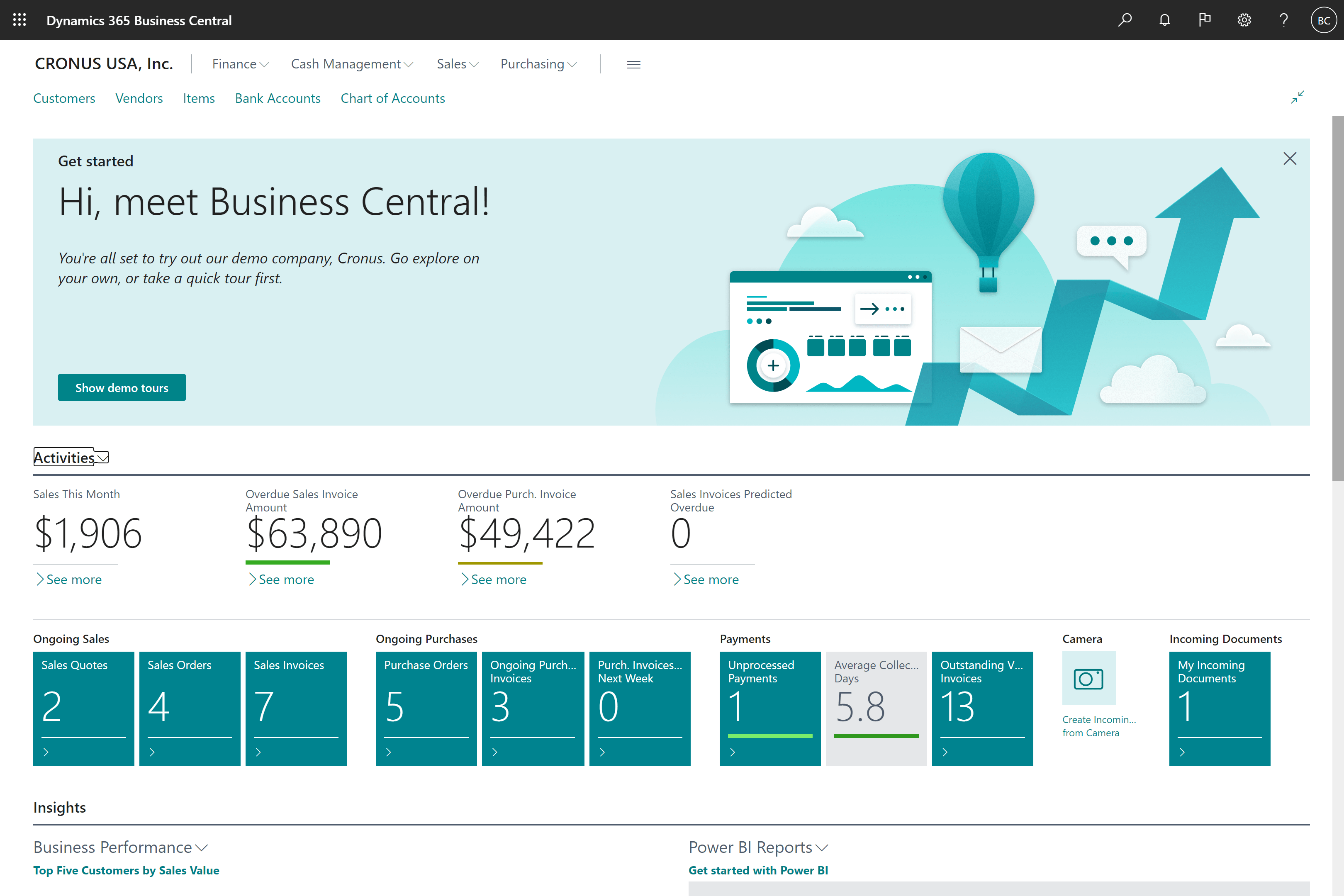
Business Central is Microsoft’s mid-market ERP platform. It is a powerhouse of finance, inventory, sales, and basic manufacturing on its own, but with industry extensions such as PrintVis, it can do packaging and integrate with Power Platform extensively.
Features:
- Financials, multi-company, multi-currency, and Canadian tax structure
- Warehouse Management System, basic production, lot, and serial tracking
- Extensible through AppSource (job costing, print/pack add-ons)
- Integrates with Power BI and Azure shop-floor telemetry using IoT.
Best for: Medium and large-scale packaging firms in need of a well-supported, scalable platform and should use add-ons for packaging details.
SYSPRO ERP
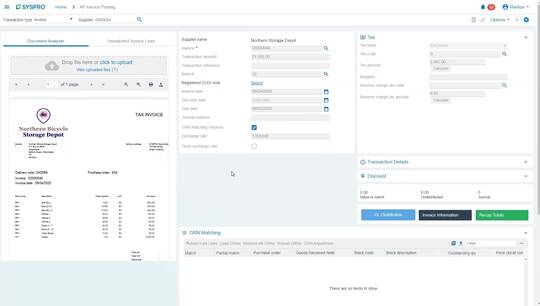
Syspro is a high-level Manufacturing ERP that includes clear capabilities within the packaging industry (inventory, ECC, and production planning). It focuses on the integration of the shop floor, lot/product traceability, and material optimization of packaging lines.
Features:
- MRP and multi-level BOM to package components.
- Engineer Change Control (ECC) for product revision and artwork/print change.
- Inventory, lot, and serial traceability (raw rolls, inks, and adhesives).
- Cloud, on-premises, or hybrid flexible deployment
Best for: Medium & large packaging producers with mixed-mode (make-to-order, make-to-stock) production, multi-site warehouses, and the requirement of known manufacturing controls.
QAD Adaptive ERP
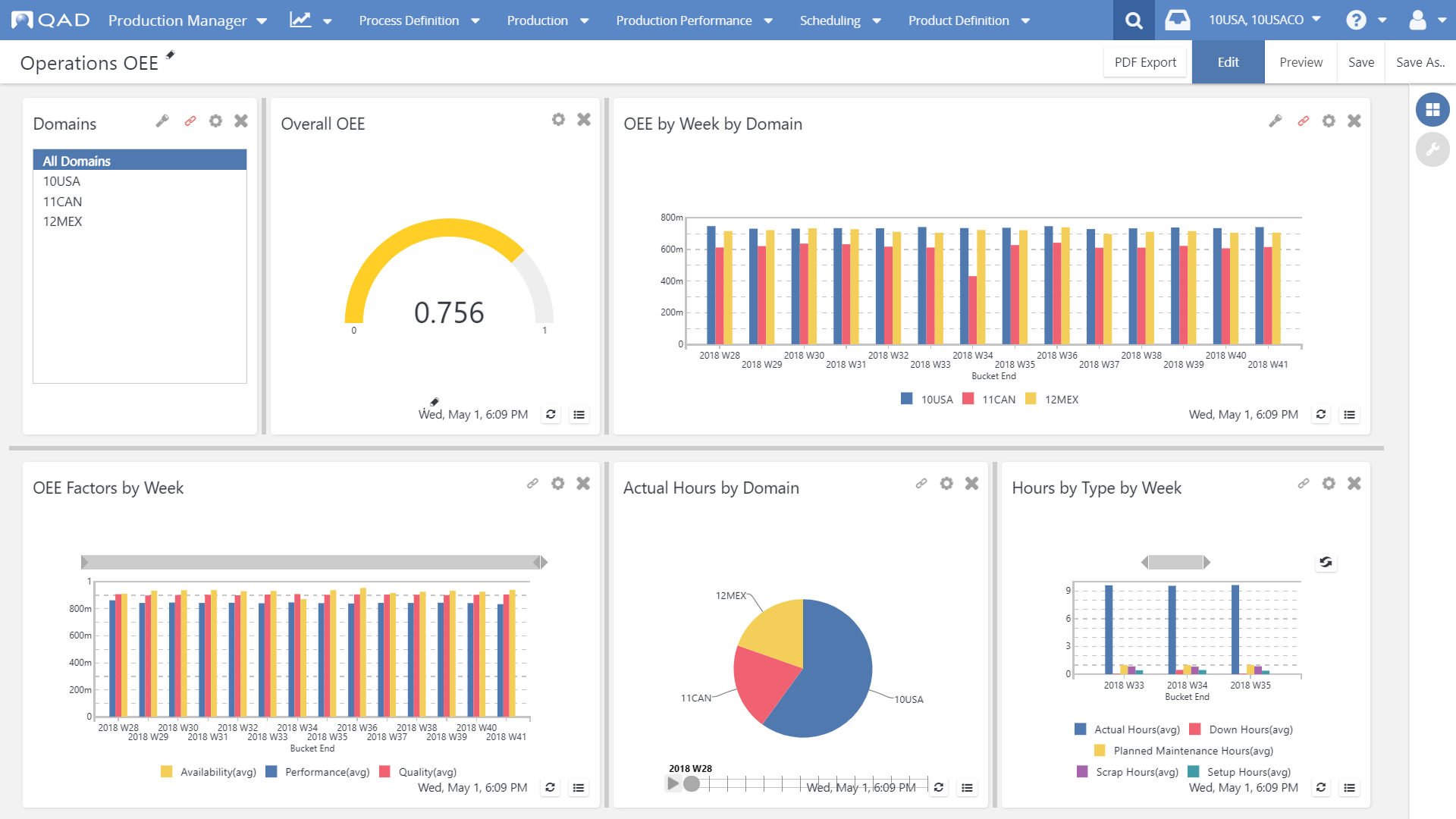
QAD focuses on discrete and process manufacturers whose supply chain features are high on a global scope. Complex manufacturers often utilize QAD Adaptive ERP, customizing it to facilitate packaging activities that require advanced supply chain planning and multi-plant coordination.
Features:
- Multi-site MRP, advanced demand and supply planning
- Shop-floor management and production execution
- Traceability and compliance of regulated packaging (food & pharma)
- International roll-out and inter-company management
Best for: Large packaging manufacturers or diversified manufacturers where packaging is part of a larger global manufacturing footprint.
Also Read: Supply Chain Consulting
HashMicro ERP

HashMicro is a cloud ERP with modular manufacturing, inventory, and finance features. It focuses on real-time inventory and easier and quicker deployments.
Features:
- Live tracking of inventory and warehouse
- Production scheduling, BOM, and work order management
- Quality controls and reporting dashboard
- Customizable modules for different packaging processes
Best for: Small and mid-sized packaging companies in need of a cloud-first modular ERP with faster time-to-value.
WinMan ERP
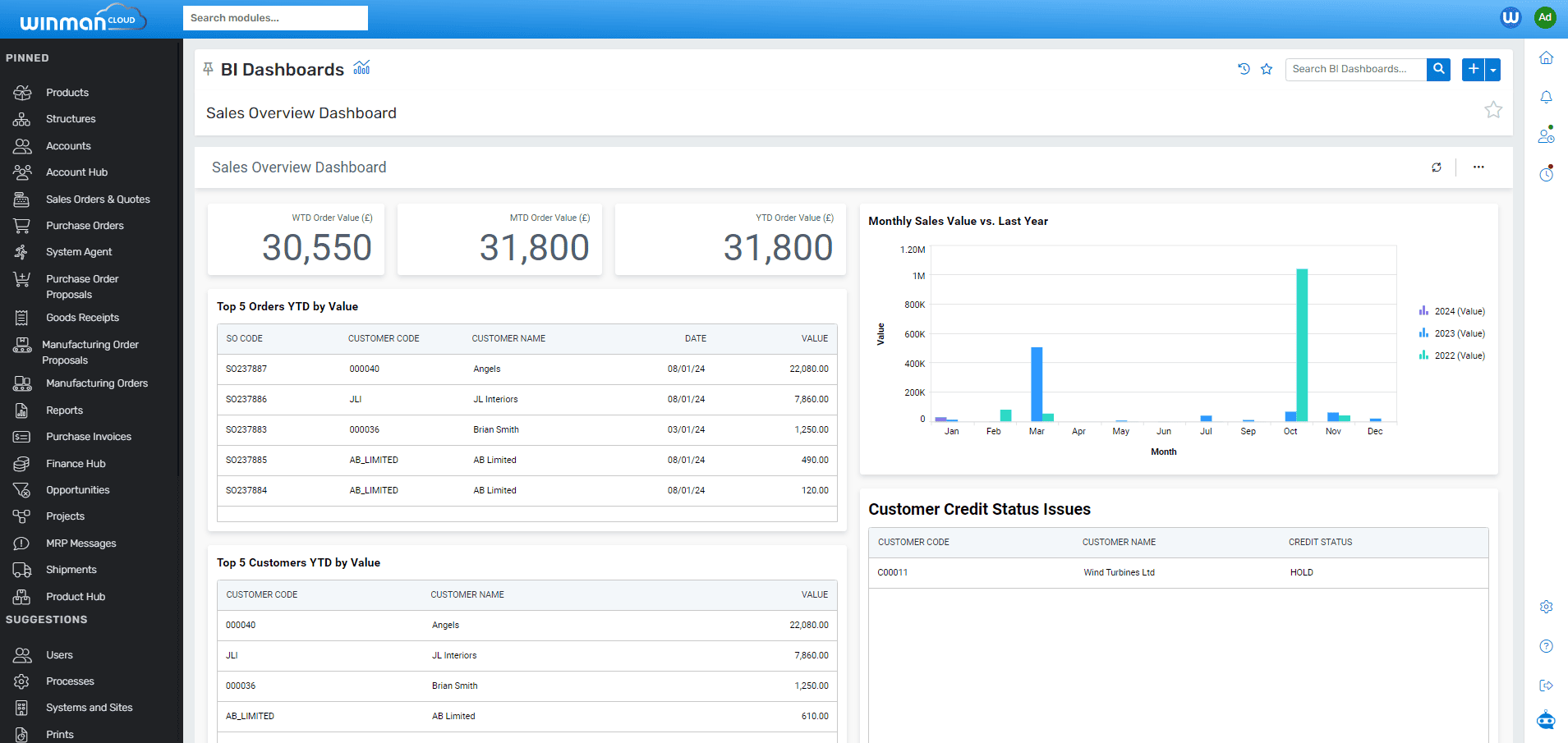
WinMan is an old ERP used in printing and packaging companies whose job costing, product configurator, and production processes are based on finishing and print jobs.
Features:
- Comprehensive job costing and print spec product configurator
- Production management for printing, finishing and converting operations
- Multi-site support, BI reporting, and inventory
- Integration options with prepress and finishing systems
Best for: Heavy custom work (labels, folding cartons, corrugated jobs) for printers and packagers that require high estimation and production control.
Katana ERP
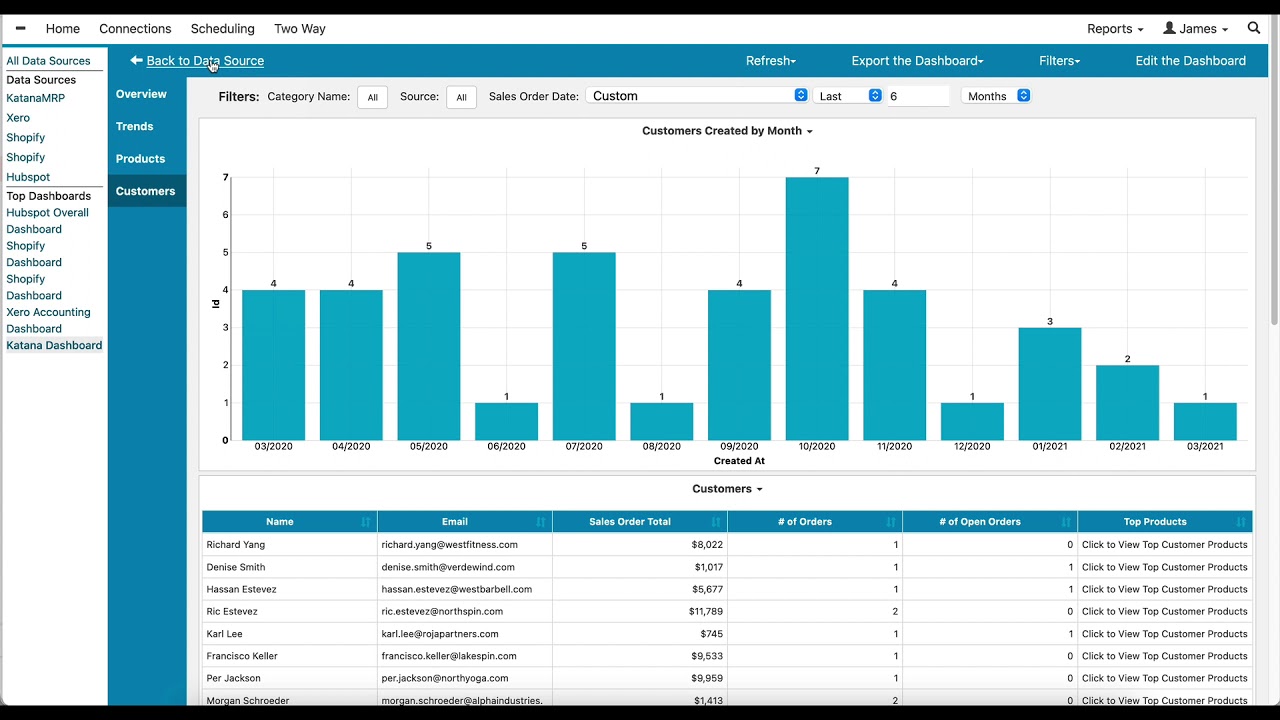
Katana is a new cloud ERP that focuses on small-to-medium manufacturers. It is oriented to planning visual production and real-time control of inventory with a minimal interface.
Features:
- Shop-floor visibility and visual production planning
- Inventory allocation and availability of materials in real time
- Single BOMs and work orders to address shorter run packaging settings
- Rapid implementations and integrations (e-commerce, accounting).
Best for: Small and medium-sized packaging companies with simpler and predictable workflows that require quick implementation and a straightforward user experience.
SapphireOne ERP

SapphireOne is a modular ERP, which has finance, manufacturing, inventory, and CRM. It is mentioned on packaging ERP lists due to its modular strategy and price flexibility.
Features:
- Main production and stock management suitable for packaging
- Modular licensing—choose only needed modules
- Job costing, inventory and purchasing functions
Best for: Businesses that need a general ERP system with flexible modules that can be packaged together and have controllable licensing costs.
Ebizframe ERP
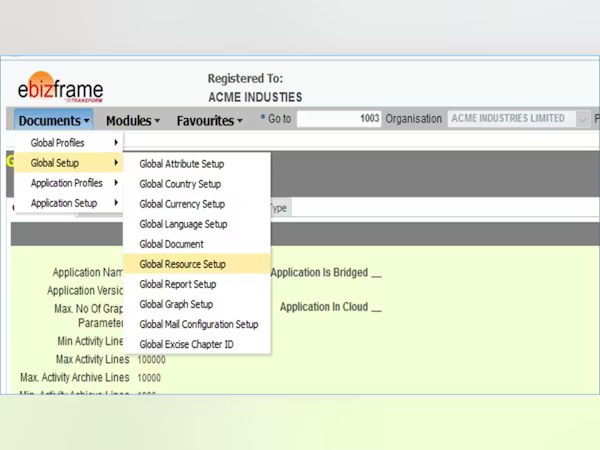
Ebizframe ERP is a cloud system that focuses on automation and multi-site & multilingual applications. It is frequently used when companies want to create a standardization of operations.
Features:
- Automation of workflow in sales, production, and finance
- Multi-currency and multi-language support for international operations
- Basic manufacturing, inventory, and WMS
Best for: Packaging firms that scale across locations or areas that require automated process management and decentralization.
Challenges in the packaging industry
Some of the challenges facing the packaging manufacturers in Canada and their impact on business operations include:
Raw-material price volatility and waste management: Packaging involves the use of materials such as plastic film, board, adhesives, and inks, all of which may be volatile in pricing. Inventory control, preventive overstocking, wastage, and spoilage are important.
Reduced lead times and customer expectations: The end customers require quicker turnaround, flexibility, a variety of SKUs, and different formats. It is necessary to strictly control production scheduling, changeovers, and inbound materials.
Complicated manufacturing procedures and finalizing operations: The process of packaging manufacturing may include lamination, extrusion, die-cutting, finishing, printing, and converting—several steps—and may use various materials. Managing these flows manually is prone to error. This is handled by ERP systems which support printing and packaging processes, including quoting, job costing, and scheduling).
Warehouse complexity: Packaging producers are the ones who frequently get multi-suppliers, operate various warehouses (raw materials, WIP, finished goods), and transport to numerous customers. A responsive supply chain management software is essential.
Data silos and absence of real-time visibility: The absence of integrated systems can lead to separate data in departments (finance, procurement, warehouse, and production). This causes untimeliness, inaccuracies, and poor decision-making.
Next, we will discuss the benefits of implementing an ERP system with packaging features to address these challenges.
ERP Benefits
Implementing the right packaging ERP software can yield several benefits for the company.
Below are key benefits:
Better inventory and warehouse management: Real-time visibility of raw materials, work-in-progress, and finished goods; in this case, there are fewer stock-outs, lower carrying costs, and less waste.
More efficient production planning and scheduling: ERP systems facilitate synchronization between production runs and changeovers, better allocation of resources (machines and labour), and minimized downtime.
Regulatory compliance and quality control: ERP modules support engineering change control, traceability, audit trails, product revision history, and certification compliance.
Scalability and flexibility: Modern ERP enables the packaging business to expand by adding new lines, materials, and geographies.
Increased customer satisfaction: Packaging companies can use more effective management of jobs, lead times, change orders, quality, and meeting delivery times to enhance the service levels as well as customer relations.
Competitive advantage: A packaging company with advanced ERP packaging management software becomes agile, controls costs, and has the ability to respond to market demands in less time.
Choose the Right ERP
Here are key factors you should evaluate while selecting the right ERP:
Industry-fit functionality: The ERP must facilitate packaging-specific processes like flexible materials (sheet, roll, and film), custom jobs, job costing, changeovers, finishing, laminates, adhesives, and an inventory of roll stock and adhesives.
Ease of integration: Your ERP should be integrated not only with the existing systems (shop-floor MES, WMS, CRM, printing/finishing equipment) but also should comply with the modern technologies (IoT, real-time data).
Implementation partner experience: The packaging industry is niche; selecting a partner with proven experience in the packaging and printing industry will reduce risk.
Data visibility and analytics: It should have real-time inventory, production, supply chain, and finance dashboard systems. To help control variability and material cost, data decisions in packaging are necessary.
Quality, compliance, and tracking: Make sure the system enables the management of engineering change control, history of revision, and traceability of the materials (especially packaging that requires meeting environmental standards or safety).
Note: Adhering to these requirements, the packaging firms in Canada would increase the likelihood of successful ERP implementation and prevent the frequent pitfalls, including functionality mismatch or lack of user adoption.
Now, let’s explore how Dynamics Square assists packaging manufacturers in Canada with selecting and adopting the right ERP system for their needs.
Dynamics Square Help
At Dynamics Square, we specialize in implementing modern ERP systems like Microsoft Dynamics 365 Business Central and other solutions that can operate in the packaging industry.
Here’s how we help:
Industry-specific consultation: Our deep understanding begins with your packaging material (film, board, adhesives), your production process (roll-to-roll, sheet-fed, lamination, finishing), your supply chain (raw-materials sourcing, inventory, warehouses), your warehouse management system, your financials, and your reporting needs. This ensures that the scope of ERP aligns with the needs of your packaging business.
Implementation planning & project management: We offer high-structured project management, including the stages of requirements collection, system design, data migration (raw materials, inventory, BOMs, work orders), system configuration, training, go-live, and support. We are aware of the complexity of packaging manufacturing (job costing, custom orders, variable materials) and use best-practice templates.
Localization and support in Canada: We have knowledge of the business environment in Canada (currency, GST/HST, multi-site in different provinces), and we verify that the ERP is configured with appropriate legal and financial localization.
Continuous improvement and scaling: Once the system is live, we assist you with incremental developments such as adding IoT, warehouse automation, and analytics dashboards, allowing your packaging ERP system to grow alongside your business.
Conclusion
An ERP built for the packaging industry provides end-to-end visibility across production, inventory, supply chain, and finance. It enables effective management of waste and variable materials, meets regulatory and quality requirements, and supports confident business growth.
For more information, call us at +1 778 381 5388 or write a mail at info@dynamicssquare.ca.
People Also Ask:
What is Packaged ERP?
A packaged ERP is a pre-built ERP software application that includes in-built modules, workflows, and industry best practices. Rather than creating an ERP system, a business can adopt a packaged ERP system within a shorter time because it comes in a standardized form of the functions, such as finance, inventory, and manufacturing.
What is ERP software for the corrugated packaging industry?
The corrugated packaging industry uses ERP software to produce boxes, cartons, and other materials. It keeps in control major processes like order management, sheet cutting, printing, die-cutting, and finishing. This type of ERP allows real-time monitoring of the raw materials (such as paper rolls), provides automation in terms of scheduling, and provides proper job costing of corrugated manufacturing.
What is an ERP system in shipping?
The shipping ERP system deals with the logistics and transportation aspects of the business. It processes the shipping orders, fleet management, optimization of the routes, invoicing, and delivery tracking. Integration with ERP provides a seamless coordination of inventory, warehouse, and logistics to deliver on time.
.jpg)
Awanish Kumar is a seasoned writer with a passion for exploring the ever-evolving landscape of cloud-based software. With years of experience in the tech industry Awanish delves into the intricacies of cloud computing, translating complex concepts into engaging and informative blogs. From Saas to Paas, he navigates the digital realm, offering readers valuable insights and practical tips to leverage the power of cloud technology.